Kia K2700 Common Problems (J2 2.7 Diesel)
The short version: the Kia K2700 has earned its reputation. Owners running them hard report 304 000 km, 330 000 km and 370 000 km on original drivetrains, because the J2 2.7 diesel is about as basic as a modern diesel gets: no turbo, no DPF, no common rail, no ECU throwing codes. That simplicity means the faults concentrate in one subsystem: the mechanical fuel-injection circuit. Nearly every smoking, stuttering, hard-starting K2700 we get asked about traces back to the injection pump, the injectors, or air in the fuel lines.
Key Takeaways
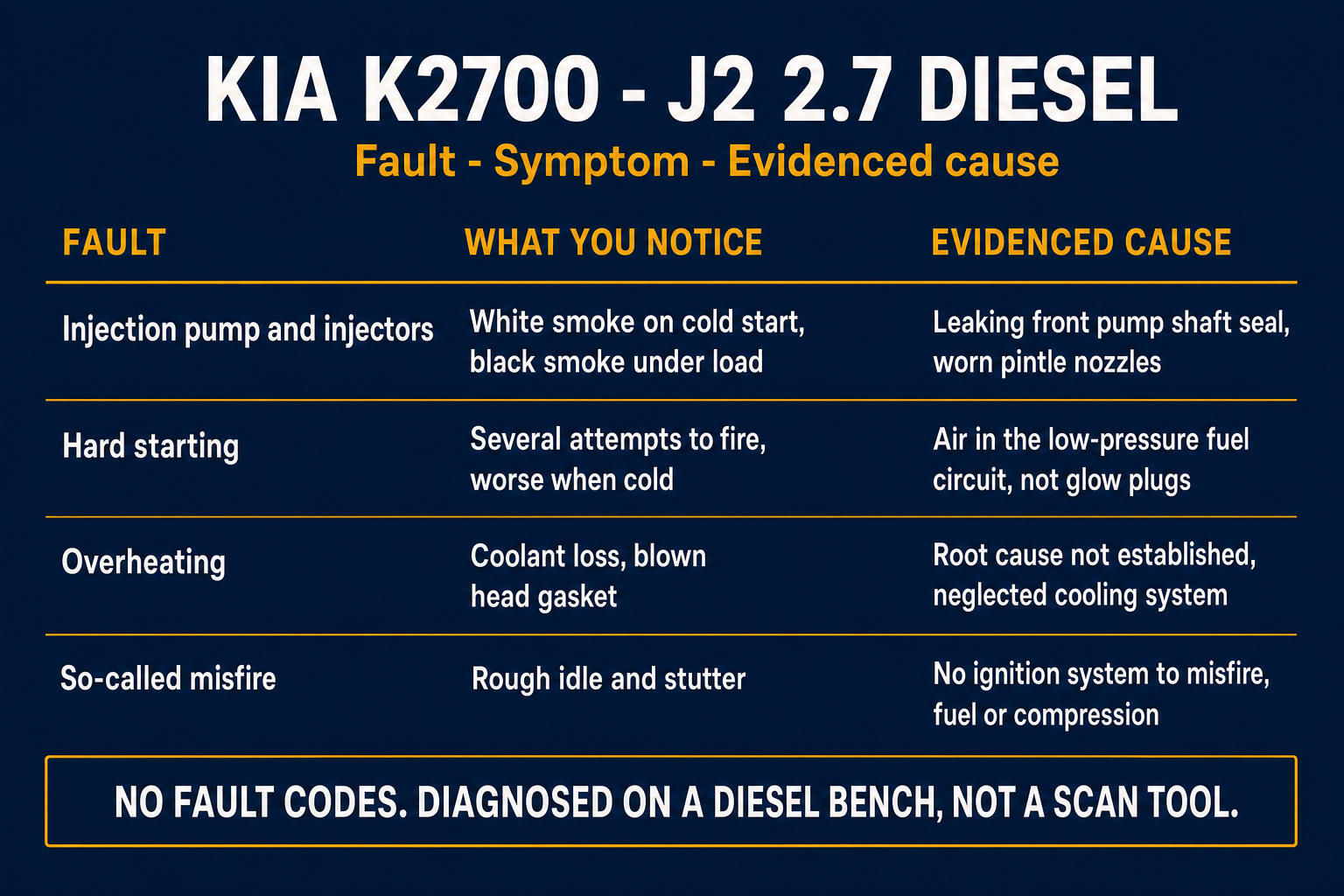
| Problem | What the owner notices | Evidenced cause |
|---|---|---|
| Injection pump & injector wear | White or blue smoke on first start; black smoke under acceleration; stutter at revs | Hardened front pump shaft seal leaking diesel; pintle nozzles dribbling, not spraying |
| Hard starting | Two to four attempts to fire, worse cold, though some report the reverse | Air in the low-pressure circuit (pinhole leak at the filter head), blocked in-tank strainer, or worn pump. New glow plugs frequently do not fix it |
| Overheating → head gasket | Coolant loss, blown head gasket, at worst a cooked engine | Root cause not established; owners disagree — see below |
| Diesel runaway | Revs up on its own, keeps revving after the key is out | Not confirmed for this engine. Generic to mechanically-pumped diesels |
| "Misfire" / rough running | Stutter, shake, rough idle | No ignition system to misfire. Every case traced to fuel delivery or compression |
Where this evidence comes from. The J2 has almost no mainstream reliability-survey coverage, so the fault reports below are owner-forum accounts, largely from an Australian owner-review platform, though several posters there are clearly South African. Treat them as well-corroborated owner experience, not survey data.
What engine is in the K2700 — and why it changes everything
Kia South Africa lists the K2700 with a 2.7-litre, four-cylinder J2 diesel, quoting 62 kW at 4 150 rpm and 165 Nm at 2 400 rpm. (Two SA press sources quote 168 Nm and an engine database 172 Nm for the same unit. The published figures genuinely disagree, so we quote Kia SA's own number and attribute it.)
Architecture matters more than output. The J2 is an indirect-injection engine: fuel sprays into a swirl pre-chamber, not onto the piston crown — fed by a mechanical rotary distributor pump with pintle nozzles, naturally aspirated. No turbo, no DPF, no rail, no trouble codes.
So a K2700 fuel fault and a Kia CRDi fuel fault are completely different jobs. On the common-rail CRDi engines (D4CB, D4HB, D4FE) the injectors are electrically actuated at extreme pressure and throw fault codes. We cover those in our guide to Kia CRDi injector failure symptoms. On the J2 there is nothing to plug a scan tool into: diagnosis happens on a diesel test bench.
The K2700 is also still sold new here — Kia SA listed the Chassis Cab from R346 995 including VAT when we checked on 18 August 2026. It sits alongside, not replaced by, the turbodiesel K2500, surviving on the higher payload of the two at roughly 1.3 tonnes. A vehicle Kia is still building is one whose parts supply is not going anywhere.
1. Injection pump and injector wear — the K2700's one real weak spot
This is the strongest-evidenced K2700 fault. It shows up on 2003, 2011, 2015 and 2016 vehicles with no year clustering, which makes it an age-and-hours fault, not a model-year defect. The symptoms cluster tightly: heavy white or blue smoke on the first start after standing overnight, clearing after three to five minutes; black smoke under acceleration that persists after the injectors have been cleaned; a stutter at higher revs that bleeding on the hand primer fixes only temporarily; and rough idle even with brand-new injectors and a month-old filter.
Two distinct failure modes hide inside that one list, and they get confused constantly.
The pump shaft seal. The front injection-pump shaft seal hardens with age and leaks diesel into the timing case. One owner on a Kia owners' forum chased a smoke-and-stall fault on a 2003 K2700 through a new cylinder head, liners, rings, conrod bearings and a full set of new injector nozzles, and it was still there. He then pulled the timing cover and gears and found "a clean spot just below injector pump shaft where all the diesel was leaking". The seal came out "really hard"; a new one fixed it completely. The smoke can come from the pump, not the injectors.
The nozzles. Separately, the pintle nozzles lose atomisation and dribble rather than spray. A rebuilder inspecting one owner's set found them "very leaky and had no atomization".
Neither failure sets a code; neither is visible to a scan tool. Both are diagnosed on a diesel bench, and the honest order of work is: prove the low-pressure side is sealed, bench-test the injectors, then look at the pump.
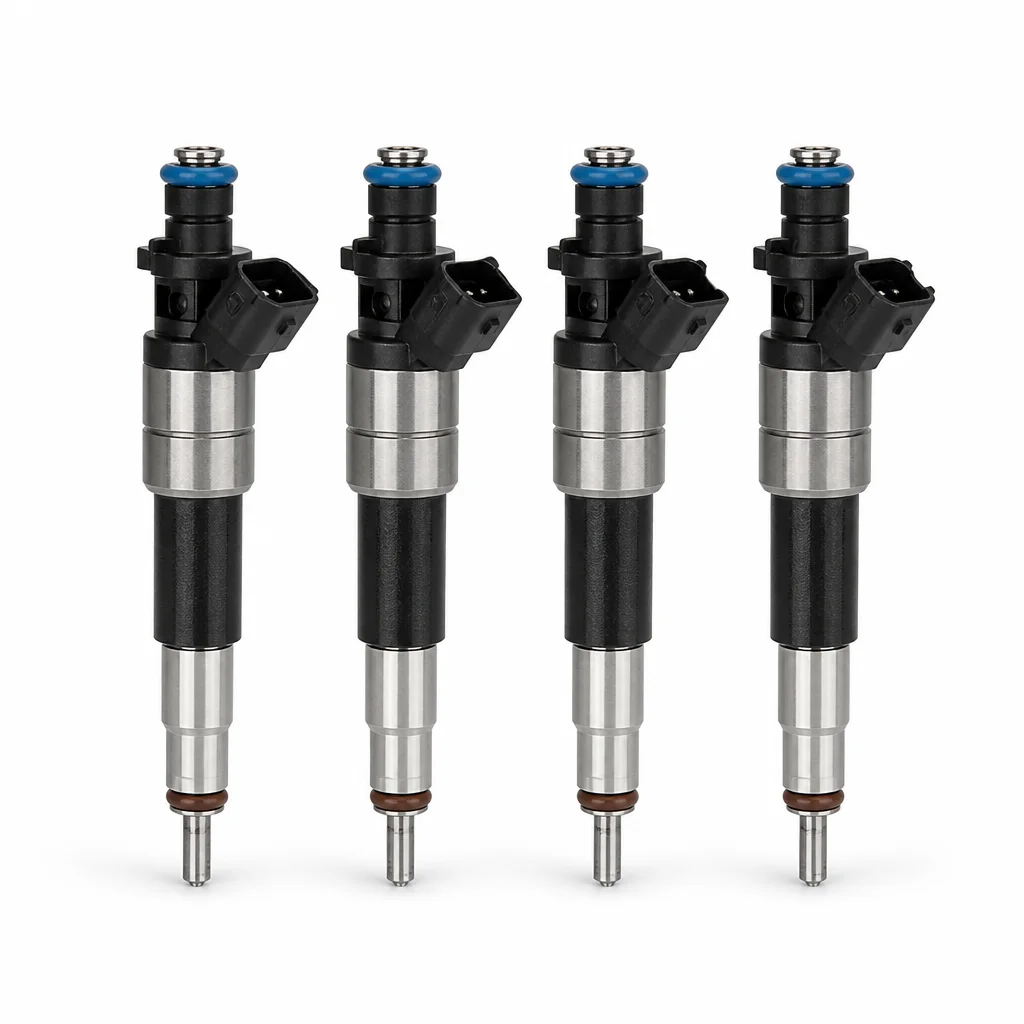
K2700 Injectors, Injection Pumps & Fuel-System Parts
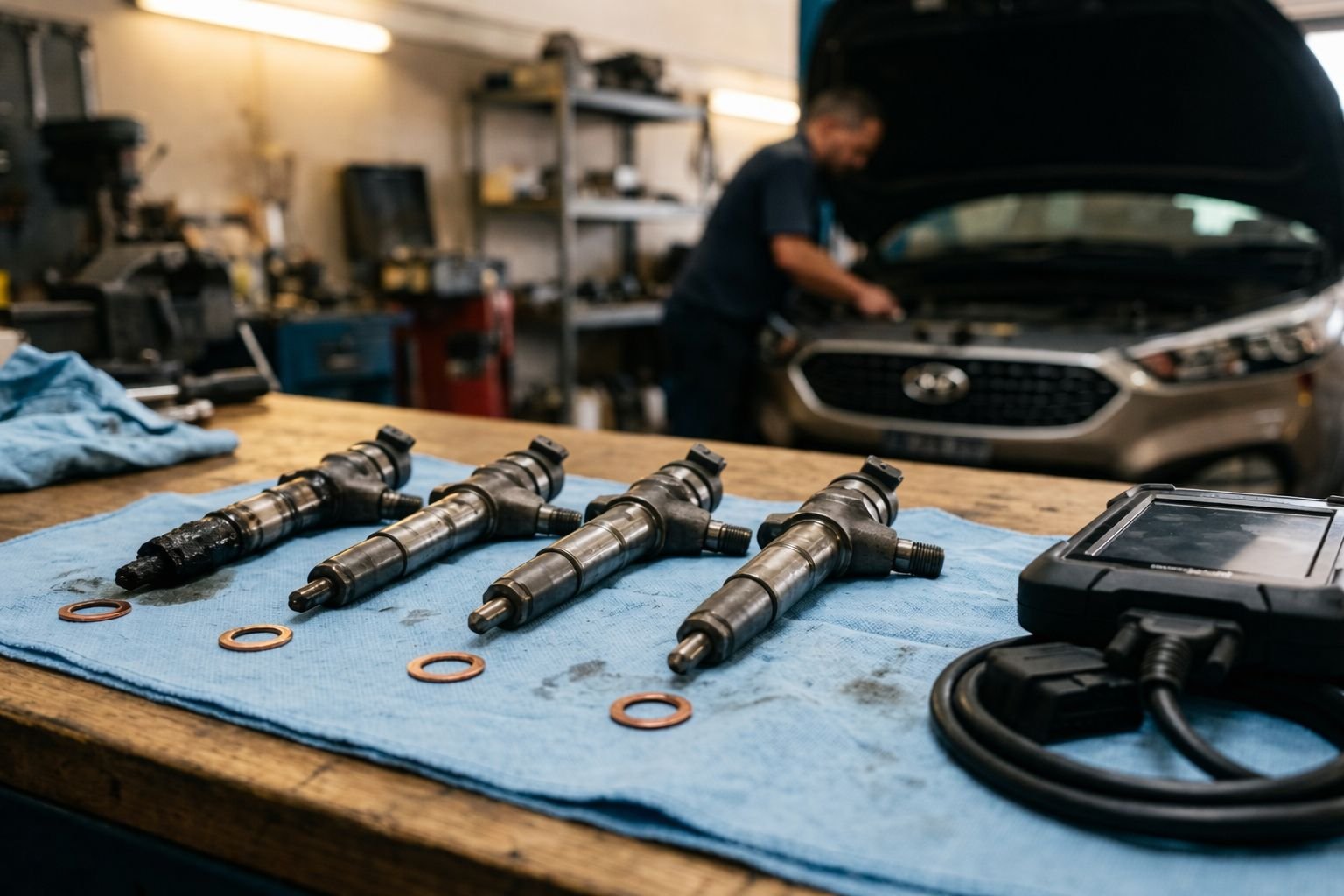
Smoking on start-up, or a specialist has condemned your pump? We supply tested used and new-aftermarket J2 injection pumps, nozzles, filter heads and lines. See our Kia fuel-system parts range.
2. Hard starting — and why new glow plugs usually are not the answer
The second-most-reported K2700 complaint is a laboured start: two to four attempts to fire, worse in cold weather, and once running no trouble for the rest of the day. The inverse also turns up — fine cold, struggling once warm.
Glow plugs are the obvious suspect, and the evidence says they are frequently the wrong one. Two separate owners in our source set fitted new glow plugs and the fault did not clear.
The evidence points instead at the low-pressure fuel circuit. A pinhole leak at the fuel filter head lets air into the line overnight, so the pump has to re-prime before it can build injection pressure, hence a laboured crank that clears once running. That was exactly the accepted answer to one South African owner's hard-starting question: a small leak at the diesel filter drawing air in, checked by pressing the primer until it goes hard, then cranking. Another owner's fault cleared after cleaning a restricted strainer at the tank pickup, and the escalation is the pump itself. A dealer workshop diagnosed a bad injection pump on a 2016 K2700 with laboured starting plus black smoke.
So: reseal and pressure-test the filter head and low-pressure lines first, clean the in-tank strainer, then bench-test the pump and injectors. Fitting glow plugs on spec is the most common way to spend money on a K2700 and still have the fault.
What we've seen in the yard
The most useful thing in the evidence we gathered is the order people diagnose in. One owner chased heavy first-start smoke through a new cylinder head, liners, rings and a full set of injector nozzles before stripping the pump and finding the front shaft seal had hardened and was weeping diesel into the timing case. Replacing that seal fixed it. Nozzles and the pump produce overlapping symptoms on a J2, and only one of them is cheap to replace by guesswork, so get both bench-tested before you buy either. Send us your VIN and we will quote the part your diesel specialist actually confirms.
3. Overheating that escalates into head-gasket and cylinder-head damage
What is evidenced here is the consequence, not the cause. One South African owner recorded an engine overhaul at 96 000 km and a blown head gasket by 130 000 km. A second owner's rebuilt 2003 K2700 developed a coolant leak that was driven through until the heat "MELTED the plastic composite rocker cover, and COMPLETELY cooked the engine". A South African 4x4 forum carries a thread titled "Kia K2700 head problems", but it sits behind a bot check we could not get past, so we cite only its existence.
And here is the counter-argument. Another owner, at 112 000 km, argues the opposite: that the J2 resists gasket failure precisely because it has a cast-iron head on a cast-iron block, with no dissimilar-metal expansion mismatch to work the gasket loose. That is opinion rather than measurement, but it is mechanically coherent.
We will not invent a root cause to reconcile the two, because the evidence does not support one. The honest framing: the J2 tolerates heat structurally better than an aluminium-head engine, but the K2700 is a working vehicle loaded to its limit whose cooling system gets neglected, and a heat event goes from coolant leak to scrapped engine fast. The preventable part is not the gasket; it is the radiator, the thermostat, the water pump, and stopping when the needle climbs.
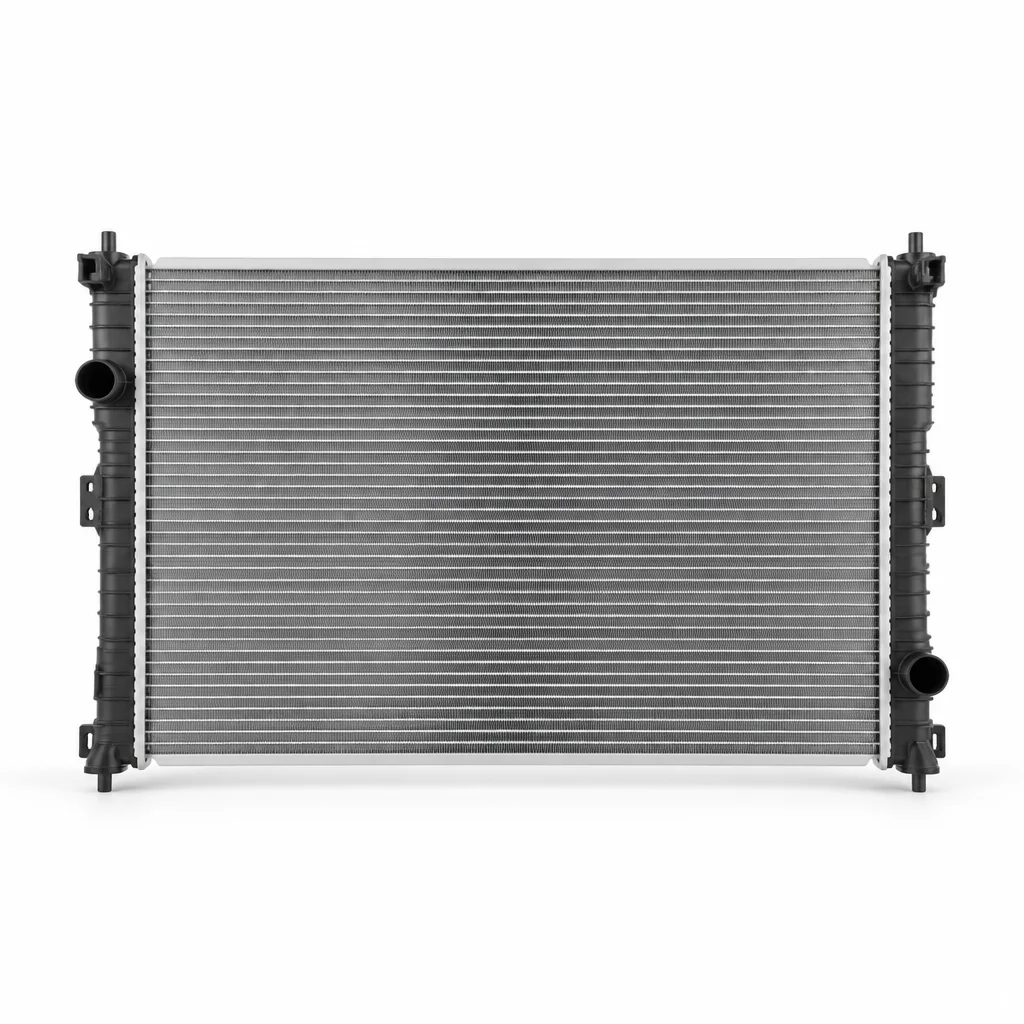
K2700 Radiators, Water Pumps & Thermostats
On a loaded bakkie the cooling system is the cheapest insurance you can buy. Radiators, water pumps, thermostats, hoses and fans in our Kia cooling-system parts range.
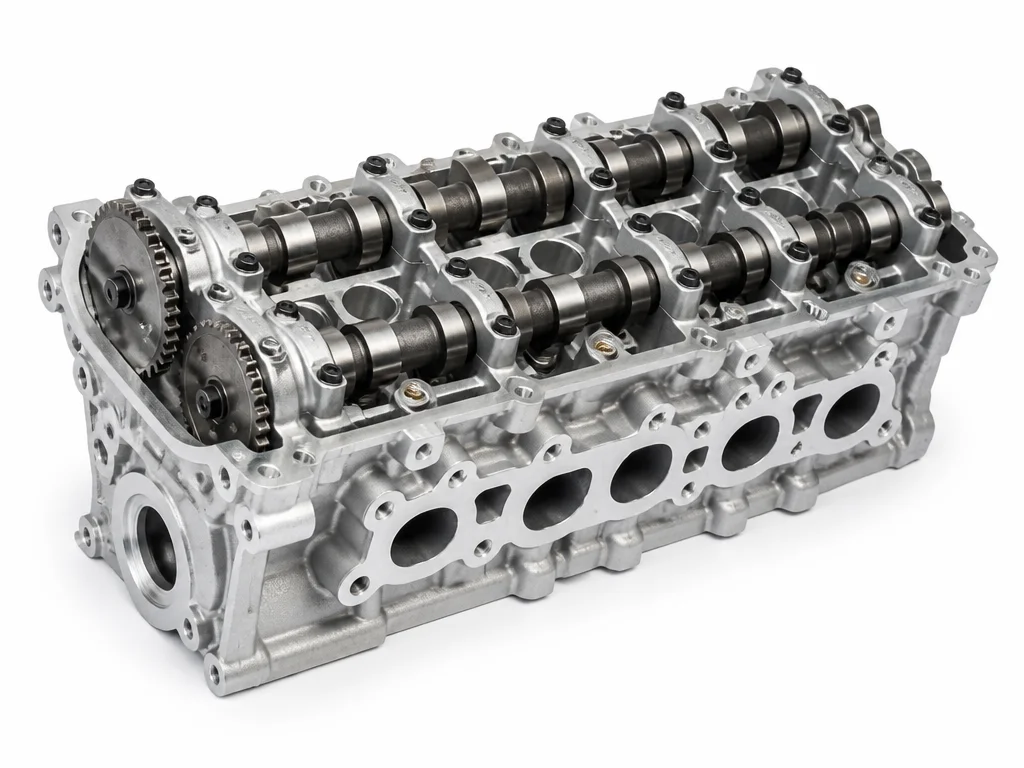
Tested Used J2 Cylinder Heads
Blown gasket, cracked head, or a skim that has run out of material? We supply pressure-tested used cylinder heads for the K2700. See our Kia cylinder heads for sale page.
4. Diesel runaway — rare, but you need to know what it looks like
Some owners report a diesel runaway on the K2700. It is the thinnest-sourced item on this page, and we include it only because the consequences are severe.
What they describe: the engine takes off to high revs while idling, unprompted, and keeps revving after the ignition key has been removed, ending in a cloud of smoke before it dies. One owner of a 2003 K2700 reported it twice. A question-and-answer platform hosts a runaway case on a 2004 K2700, though that page is behind a bot check we could not read.
We are not going to tell you the cause, because it has not been established for this engine. The mechanism is generic to mechanically-pumped diesels: the engine finds a fuel source it cannot cut — excess diesel past a failed pump seal, or engine oil drawn into the intake — and because the shut-off is mechanical rather than electronic, turning the key does nothing. That is circumstantially consistent with the leaking pump seal in section 1, but no source we could read states the link for the J2, so we will not assert it.
Watch out: a running-away diesel cannot be switched off with the key. The two ways to stop it are to block the air intake completely, or to load the driveline — put it in a high gear and let the clutch out against the brakes to stall it. Do not stand in front of it and do not wait for it to run out of fuel. Once it is stopped, do not restart it until a diesel specialist has found where the extra fuel or oil is coming from.
5. "K2700 misfire" — the search term is right, the diagnosis is wrong
Owners search for "K2700 misfire" constantly, and the symptom is real: rough running, a stutter, a shake at idle. But the word does not apply to this engine, and that matters because it sends people to the wrong workshop.
An indirect-injection diesel has no ignition system to misfire. No spark plugs, no coils, no leads, no ignition timing. Glow plugs are pre-heaters for cold starting; once the engine is warm they are doing nothing, which is exactly why they get replaced so often without curing a running fault.
Every rough-running case in our evidence set traced to fuel delivery (air in the low-pressure circuit, worn pintle nozzles, a tired distributor pump) or compression (a gasket, valve or bore problem). If your K2700 runs rough, the path is a fuel-side pressure test and a compression test, not an electrical hunt.
Has the K2700 ever been recalled?
No recall campaign for the K2700 or K2500 was found on either recall register we could check. A direct query to the NHTSA recall database returned zero records, and a 50-model Kia index on a UK vehicle-recall database was enumerated in full with the K2700 and K2500 absent. One caveat on that second source: it republishes UK recall information but states plainly that it is not affiliated with the DVSA, the government or any manufacturer — so treat it as indicative rather than as the official register.
That silence proves very little. The K2700 was never sold in the United States or the United Kingdom, so its absence from those databases is close to meaningless as a safety signal. We did not find a queryable South African recall registry, and Kia Motors South Africa's own campaign history is not something we could retrieve. So: no recall found on the two registries we could check, and no basis to claim a clean record. For certainty on a specific vehicle, quote the VIN to a Kia dealer and ask for an open-campaign check.
How long these things actually last
It would be dishonest to end a fault list without the other side of the ledger. From the same owner sources:
- A New Zealand engineering business carrying one-tonne-plus loads reported 304 000 km "without engine, transmission, steering, suspension, body or cab giving any major bother" — compression checked at that mileage and all fine, and they had "not yet even touched the injectors"
- A courier operator of 25 years reported 330 000 km with no problems, good fuel economy and well-priced parts. First clutch at 250 000 km
- A K2700 on a Kia owners' forum was still running at 370 000 km on regular services
- A motorhome conversion running near its gross vehicle mass put it best: "it's simple compared to common rail stuff so any bush mechanic would be ok, no complicated electrics to go wrong either"
Note that clutch figure. There is a persistent assumption that the K2700 eats clutches, and we found no owner report of premature clutch failure on any platform — the only owner-reported mileage we found points the other way. For running costs against the alternative, our K2700 versus Sedona comparison has the yearly numbers.
Is the Hyundai H100 a parts twin? Partly
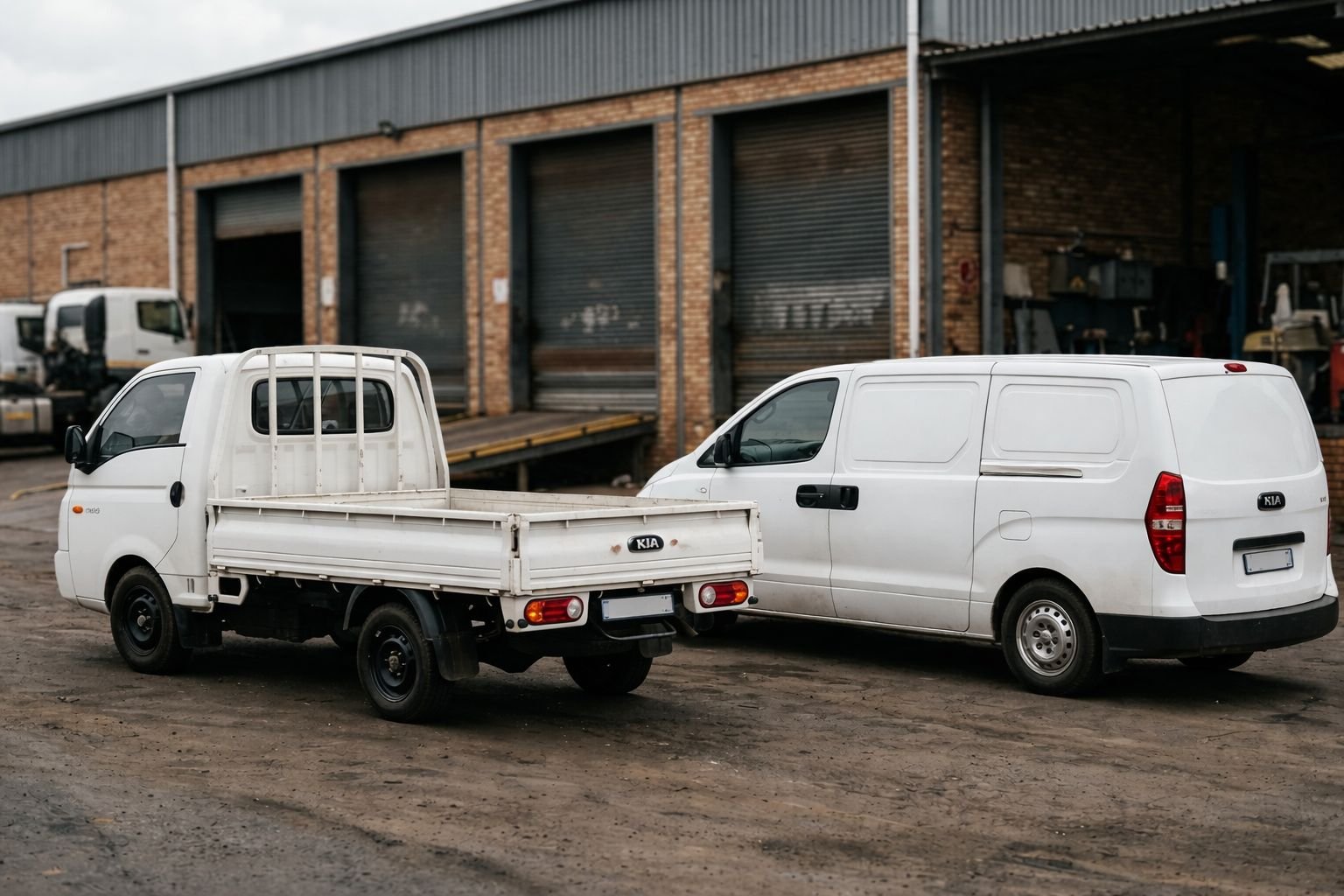
The H100 looks near-identical to the K2700 and comes from the same parent group, so people assume the parts interchange. Body and cab, plausibly. Engine, no — the H100 runs a 2.6-litre non-turbo diesel, not the 2.7 J2.
That is the whole ballgame on a parts site. Treat body, cab, glass, trim and load-bed items as cross-references worth checking, and treat the engine, injection pump, injectors, cylinder head and every engine-mounted ancillary as not interchangeable. We have not sourced a catalogue confirming which panels cross-reference at part-number level, so that split is a sound general rule, not a verified interchange list — which is why the answer is always: send us the VIN and we will confirm the exact part.
Where to get K2700 parts in South Africa
Injection pump, nozzles, a cylinder head, a radiator or a complete J2 long block — we carry K2700 mechanical and body parts at our Briardene yard in Durban North, with next-day delivery across KwaZulu-Natal and overnight insured courier nationwide. Start on our Kia K2700 spares page, or send your year, VIN and the part you need for a same-day quote.
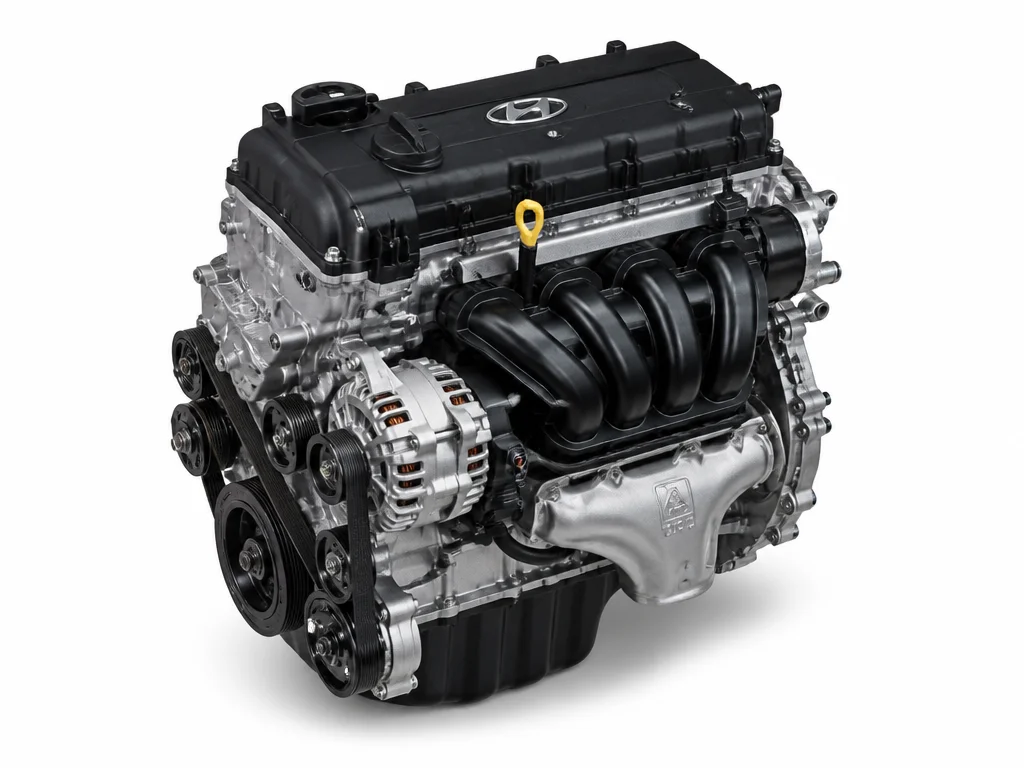
Complete Used J2 2.7 Diesel Engines
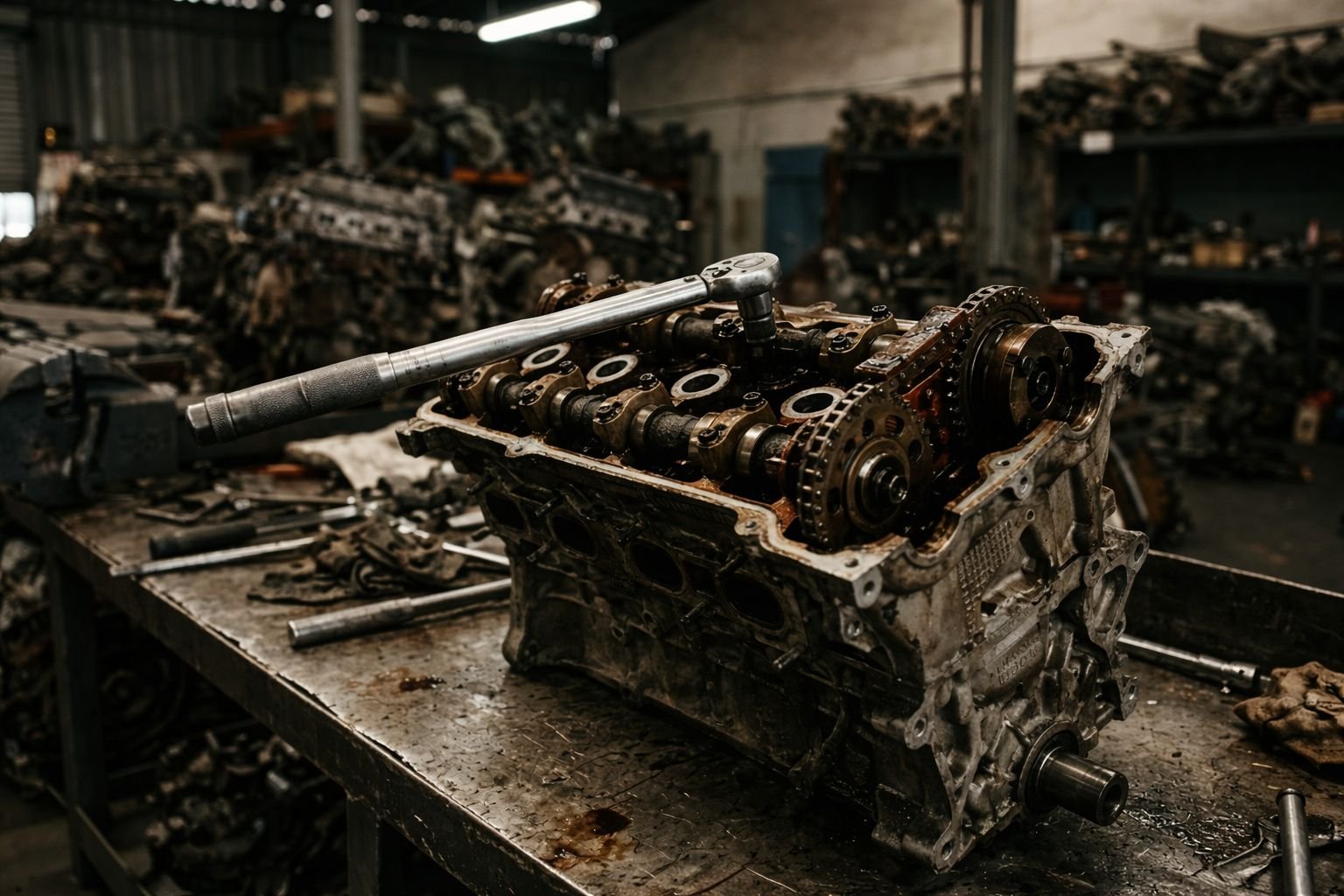
If a K2700 has been cooked or run a bearing, a tested used J2 long block is usually cheaper than a full rebuild — and it is a simple engine to fit. See our Kia engines for sale page.
Sources
- Kia South Africa — K2700 new-vehicle page, engine specification and pricing captured 18 August 2026 (https://www.kia.co.za/new-cars/k2700)
- Kia South Africa — K2500 new-vehicle page, captured 18 August 2026 (https://www.kia.co.za/new-cars/k2500)
- NHTSA recall database — API query for Kia K2700 returned zero records (https://api.nhtsa.gov/recalls/recallsByVehicle?make=kia&model=K2700&modelYear=2015)
- Vehicle Recall — independent UK vehicle-recall database, not affiliated with the DVSA; full Kia model index enumerated, K2700 and K2500 absent (https://www.vehicle-recall.co.uk/make/KIA)
- AutoTrader South Africa — Top 3 things you need to know about the Kia K2700 / K2500 (https://www.autotrader.co.za/cars/news-and-advice/buying-a-car/top-3-things-you-need-to-know-about-the-kia-k2700-k2500/6838)
- AutoTrader South Africa — Kia K2700/K2500 vs Hyundai H-100 vs Volkswagen Transporter (https://www.autotrader.co.za/cars/news-and-advice/buying-a-car/kia-k2700-k2500-vs-hyundai-h-100-vs-volkswagen-transporter-which-one-is-the-best-value-for-money/6400)
- CAR Magazine — Kia introduces new K2500 Workhorse, 16 December 2013 (https://www.carmag.co.za/news-blog/new-models-blog/kia-introduces-new-k2500-workhorse/)
- Motor-Car.net engine database — Hyundai/Kia J-series specifications, swirl-chamber injection, naturally aspirated (https://www.motor-car.net/innovation/engines/1304-kia-engines/19994-hyundai-kia-j)
- Kia J2 engine technical write-up — VE-type distributor pump, indirect injection, pintle nozzles (http://jeepsndgirls.blogspot.com/2010/03/kia-j2-engine.html)
- Kia Forums — K2700 diesel smoke problem thread, including the front injection-pump seal strip-down and resolution (https://www.kia-forums.com/threads/kia-k2700-diesel-smoke-problem.256818/)
- ProductReview — Kia K2700 owner reviews, including the 304 000 km and 330 000 km longevity accounts and the cast-iron-head counter-argument (https://www.productreview.com.au/listings/kia-k2700)
- ProductReview — Kia K2700 owner questions and answers: hard-starting, glow-plug and runaway reports (https://www.productreview.com.au/listings/kia-k2700/q-and-a)
- FixYa — K2700 hard-starting question and the fuel-filter air-ingress answer, 7 April 2019 (https://www.fixya.com/cars/t27282129-good_day_kia_k2700_diesel_got_problem)
- Kia Owners Club UK — K2700 at 370 000 km, cited as a longevity data point (https://www.kiaownersclub.co.uk/threads/kia-k2700-cutting-off.54295/)